
Emotional wellbeing is the ability to handle the stress, pressures and setbacks that come with everyday life, at work and at home, without losing one’s sense of calm and balance. When emotional wellbeing is good, people are able to do their work well, build healthy relationships, and recover from difficulties. When it is affected, it shows up in how we feel, how we behave, and eventually in our physical health too.
A young graduate joins a company right after completing college. Within 6 months he starts feeling dissatisfied with the workplace and the work he was asked to do. He is unable to voice his feelings with superiors, leading to anxiety and a continuous sense of discomfort. Then he starts looking around for new jobs.
He quits the moment he gets another job. But soon finds the work environment less friendlier than the earlier one, leading to stress and anxieties affecting his emotional wellbeing and health.
And the dissatisfaction journey goes on…
“I thought I was going to be enjoying this work I chose, but I am not happy” is a common thought that people share with close friends when such things happen.
Another common story…
A young woman with 10 years’ work experience is working in a large corporate. As the time comes for a key promotion, she finds herself being sidelined, while someone else gets the post. She feels terribly let down, after having put a lot of time and effort in her role at the organization.
She feels a sense of depression and is unable to talk to anyone in the organization about it.

“I feel so frustrated and let down!” she tells her family and close friends.
How Does Workplace Stress Affect Emotional Wellbeing?
Most people start their working lives looking forward to doing interesting work and enjoying interactions with the team. But once they are into regular work, they start encountering different kinds of stresses that impact their emotional wellbeing.
If not managed in time, these stresses start impacting the body and health too.
Common situations that affect emotional wellbeing at work include:
- Not enjoying the work on hand
- Inability to voice issues with anyone
- Pressure from superiors to complete tasks or shift agendas
- Non-cooperative colleagues becoming hurdles
- Obsession to get results at any cost
- Not receiving adequate recognition
- Inability to give quality time to personal and family life
In all such scenarios, the common side effect is a slow but continuing impact on emotional health and, in turn, on physical health.
Job changes are done. But soon, the stresses come back, maybe not for the same reasons, but stresses they certainly are.
Adding to these, personal life issues can also overwhelm some people, distracting their focus from work and leading to further difficulties.
How Can You Stay Emotionally Well During a Busy and Stressful Life?
So what does it mean? Do we just accept that’s life and move on?
Or do we take a pause and ask: “How do I manage my emotional wellbeing and overall health through these situations?”
Some practical steps to handle difficult situations:
Acceptance: Accepting the reality that hurdles and unexpected turns are a part of life. And that one can choose how to respond to stressful issues.
Visualising: Looking ahead at the different tasks on hand, at work and in personal life. Pre-empting issues wherever possible, and managing with tact the issues that come up.
Planning and Time Management: Working to a plan and setting time for all the essentials, whether at the workplace or in personal life.
But in order to do these, it’s important to stay objective, calm and mindful. It is this that allows us to give a logical look at all aspects.
What Are the Key Components of Good Emotional Wellbeing?
Objectivity, Calmness and Mindfulness are key aspects of Emotional Wellbeing. And this is what many of us miss practising.
The earlier one learns to manage difficult situations, debates or conflicts with mindful actions, words and reactions, the better it becomes in the longer run. This in turn ensures longevity and success in one’s role at the workplace.
In order to work towards these attributes, one could do the following:
- Accept that the work on hand per se may be fine and not at fault. One needs to manage time and interactions in a manner that creates win-win scenarios, for oneself and the organisation one works with.
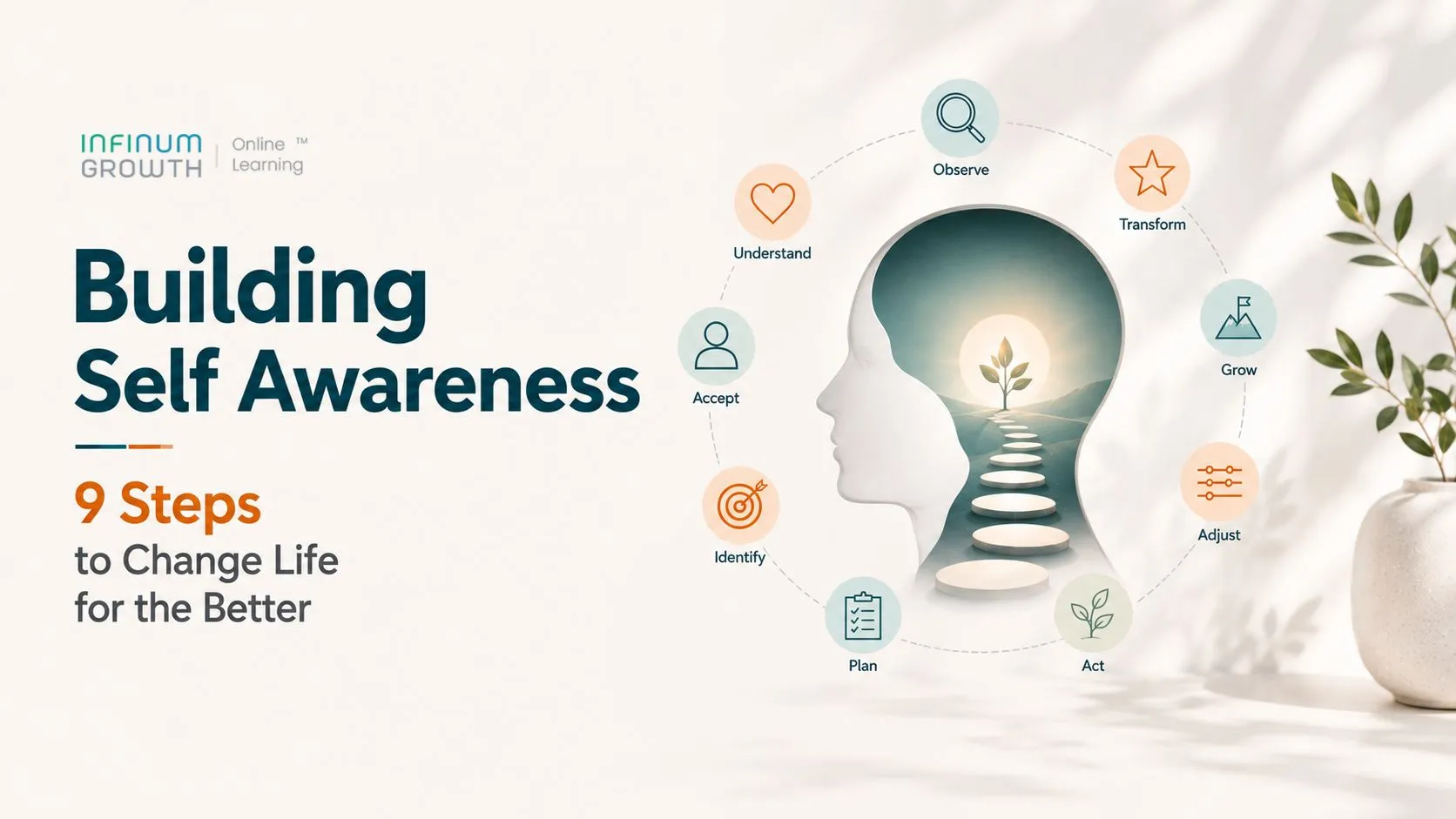
- Observe and acknowledge one’s own thoughts and feelings and understand one’s core needs.
- Observe and review one’s emotional reactions, whether shown outwardly or kept deep within oneself. Also, be open to understanding the others one interacts with.
- Work on one’s own behaviour style so as to work and interact with awareness and mindfulness.
All of us come with some strong and some not-so-strong behavioural traits. Many of these come from childhood experiences that have repeated often and got ingrained. These traits make us act or respond to situations in particular ways.
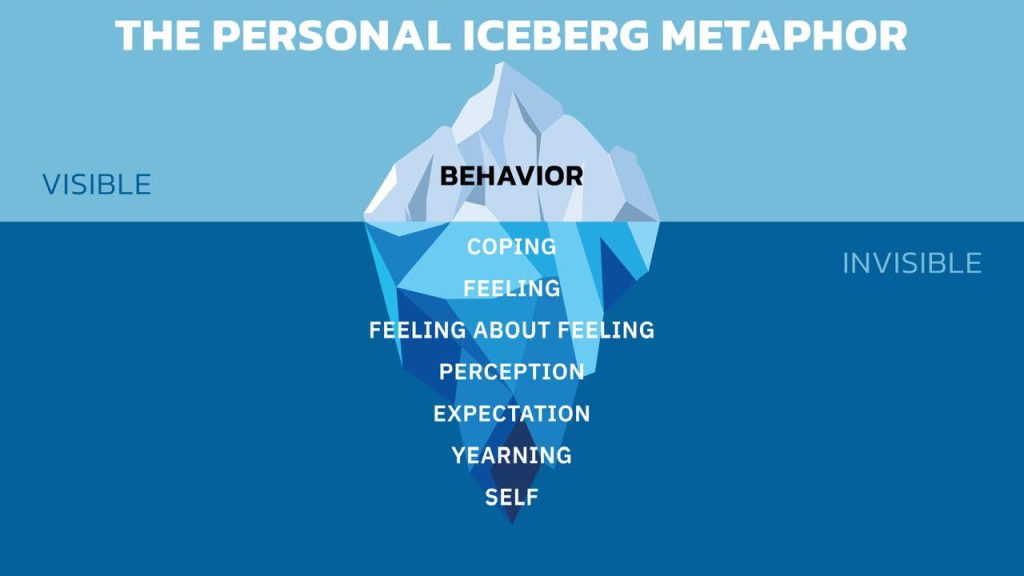
Behaviour is like the tip of the iceberg. Below lie our thoughts, feelings, emotions, experiences and a whole lot of unconscious elements which we are not aware of. These need to be acknowledged and understood in order to bring about long-term behaviour change.
How Can One Bring Sustainable Changes in Behaviour?
While bringing awareness and observing oneself is the first step, it may not be as easy as it sounds.
It is therefore useful to take the help of a mental health professional, a Counsellor or Psychotherapist.
The professional’s objective, non-judgemental and empathetic approach helps in sharing about difficulties without inhibitions.
Often people feel inhibited in taking professional help. It is important to understand that there is nothing awkward about wanting to improve oneself in terms of self-awareness and inter-personal skills.
It is similar to taking professional help in improving a sporting or artistic skill, and yet different, since it is far more impactful, affecting one’s entire approach to life goals, success and happiness at work and in personal life.
This is why many business organisations have consciously taken up Employee Assistance Programs to help employees improve their emotional wellbeing.
How Does Counselling Help with Emotional Wellbeing?
The counselling process works in stages.
It starts with using the counsellor as a sounding board, where one can speak one’s mind out without worrying and bring clarity to the issues affecting the mind. The professional facilitates by asking relevant questions to help one probe within for answers.
At this stage, one becomes aware of the limiting beliefs being held on to and how they are impacting behaviour.
The next stage involves going deeper within, understanding the root cause or origins of present behaviours, bringing awareness to feelings that were suppressed, and experiences that have had a significant impact on one’s psyche. Sharing and acknowledging these with a caring, non-judgemental person sets the stage for healing.
Changes in behaviour start happening when one begins healing from within.
This is a reasonably long process and one needs patience and commitment to go through it. However, the new energy and confidence one feels after going through this process is well worth the effort.
Working to ensure good emotional wellbeing is thus a key step towards improving results at the workplace, as well as building a healthy, peaceful and happy personal life.
FAQs
Question: What is emotional wellbeing?
Answer: Emotional wellbeing is the ability to handle life’s pressures and setbacks, at work and at home, while maintaining a sense of calm and balance. It affects how we think, how we behave, and how we relate to others.
Question: How does workplace stress affect emotional wellbeing?
Answer: Workplace stress, whether from difficult relationships, lack of recognition, or pressure to perform, slowly affects emotional health. If left unaddressed, it can also start affecting physical health over time.
Question: Can emotional wellbeing affect physical health?
Answer: Yes. Prolonged emotional stress shows up in the body too. Poor emotional wellbeing is connected to disrupted sleep, low energy, weakened immunity, and other physical symptoms.
Question: What are the signs that emotional wellbeing is being affected?
Answer: Common signs include persistent dissatisfaction at work, difficulty voicing feelings, anxiety, a sense of helplessness, withdrawal from relationships, and a general feeling that things are not going the way one had hoped.
Question: Can counselling help with emotional wellbeing?
Answer: Yes. A counsellor or psychotherapist provides a safe, non-judgemental space to understand what is affecting emotional health and work towards sustainable change. The process takes time, but the results are long-lasting.
Question: What is an Employee Assistance Program?
Answer: An Employee Assistance Program (EAP) is a structured support offered by organisations to help employees manage personal and work-related challenges that affect their emotional wellbeing and performance.
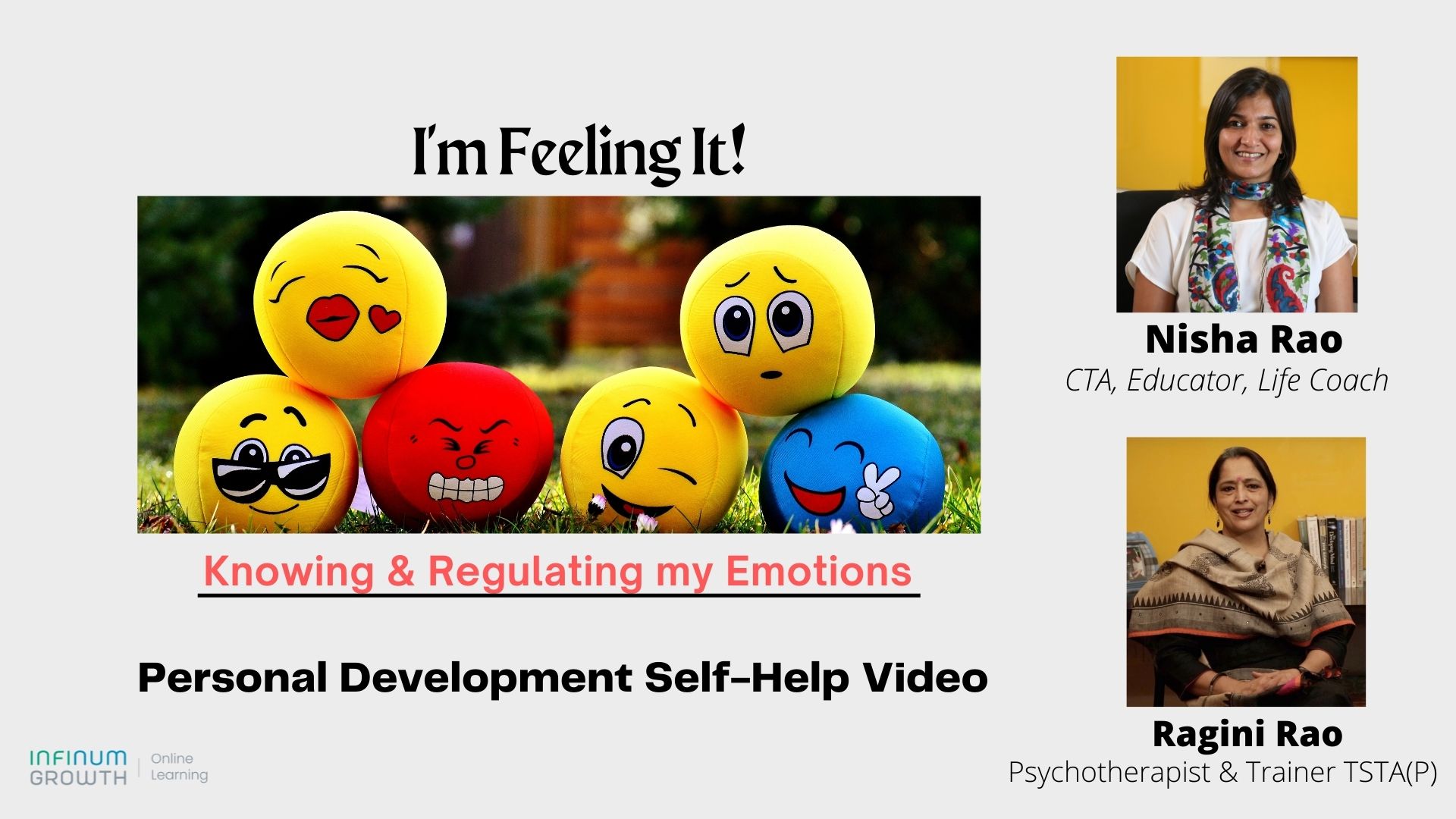
Click on the link here to watch a short video where Ragini Rao, Psychotherapist and Trainer, Co-Founder InfinumGrowth, shares her views on workplace related stress.
If you wish to explore Counselling and Psychotherapy support, click here to know more.
Click Employee Assistance Package to know about InfinumGrowth’s approach to Employee Emotional Wellbeing.

Please do leave your comments at the bottom and do share with others if you like this article.