
In leadership roles, the truth is that we often lean more easily into one side of any continuum.
For some, compassion feels natural, while courage requires effort. For others, courage comes easily, expressing boundaries, making hard decisions, speaking truths, while compassion and patience stretch them further.
Personal Growth as a leader lies not in assuming one is harder for everyone, but in noticing our own default and learning to balance both.
Wisdom often feels simple in theory, yet the real test is applying it when circumstances are complex, emotional, or uncertain. That is where holding both sides, and not just one, becomes the ground for growth.

Personal Growth as a Leader
In teams, clashes often surface when one person seeks harmony while another insists on hard truths. Too much harmony can hide problems, while too much confrontation can erode trust.
Some managers step in quickly to solve, believing they are protecting the team, only to realize they have stifled ownership. Others avoid confrontation, until silence allows dysfunction to grow.
The leader’s personal growth lies in sensing which note to play, sometimes soft, sometimes sharp, so the music of the team stays whole.
Consequence: Overusing harmony risks complacency. Overusing confrontation risks fear. Opportunity: The balance is where innovation and trust thrive.

The dilemma while parenting – comparable to leadership roles
Parenting offers its own paradox. Love says “protect,” but growth whispers “let them struggle.”
Some parents lean toward shielding their children from pain, while others lean toward firmness and discipline. Both approaches have value, yet both can create blind spots.
Stepping back to let a child navigate a tough friendship or face the consequence of failing an exam can build resilience. Conversely, offering compassion when instinct says “be hard” can strengthen trust.
Consequence: Overusing protection risks dependency. Overusing firmness risks distance. Opportunity: The stretch lies in knowing when to protect and when to allow struggle.
Strengths: Overused, Underused, Untapped
Strengths are obviously key to growth in any field; and definitely so for personal growth. Are we using our strengths effectively? Here’s how our strengths affect us.
Overused strengths are our defaults, our comfort zones. Compassion overused can enable dependency or hide problems. Courage overused can erode trust or create fear. Relying too heavily on one narrows our leadership bandwidth.
Underused strengths are the ones we resist. Leaders who thrive on harmony may underuse confrontation. Parents who prize discipline may underuse gentleness. Coaches who push for insight may underuse silence. Practicing the opposite pole often unlocks unexpected outcomes, such as innovation emerging from conflict or trust deepening through gentleness.
Untapped strengths are capacities we have never tested. Patience in crisis, vulnerability in leadership, or firmness in parenting may lie dormant until life demands them. Untapped strengths often surface in precarious moments, when the familiar fails and we discover new dimensions of ourselves.
Tools, Notes and Weapons for Personal Growth as a Leader
Leadership is not one note. Sometimes it is compassion, sometimes it is courage.
Like music, it takes many notes to create harmony. Like tools, it takes variety to build something lasting. And yes, like war, it takes different weapons, chosen with care, not only the ones we find easy or familiar.
Whether we call them notes, tools, or weapons, they are simply different forms of strength we carry, and our personal growth comes from learning to play the full repertoire.
The Hardest Part as a Leader
Holding both with courage, grace, and humility. Easy to say, poetic to write, but in practice we feel the stretch, the pain, and the gain. Growth is never fully done, but always evolving.
To be the Buddha is to embody stillness, compassion, and presence. To be the Warrior is to embody strength, action, and resilience.
Yet the invitation is larger than these two archetypes. Every leader, parent, or human being has their own continuum: patience and action, harmony and truth, vulnerability and authority, structure and flexibility. The work is not to choose one, but to integrate both.
The invitation is not perfection, but integration. To know when silence heals, and when action protects. To balance surrender with resolve. To expand beyond our defaults and discover strengths we rarely use, or have never used at all.
Reflection Prompts for Personal Growth as a Leader
- Which strength do I overuse, and what blind spots does it create?
- Which strength do I underuse, and how might practicing it expand me?
- Which strength lies untapped, and what situation might call it forth?
- How can I integrate any two sides of the continuum, whether compassion and courage, patience and action, or harmony and truth, with humility?
Personal Note: I write this from continuous growth and reflection as a leader, coach and mother.
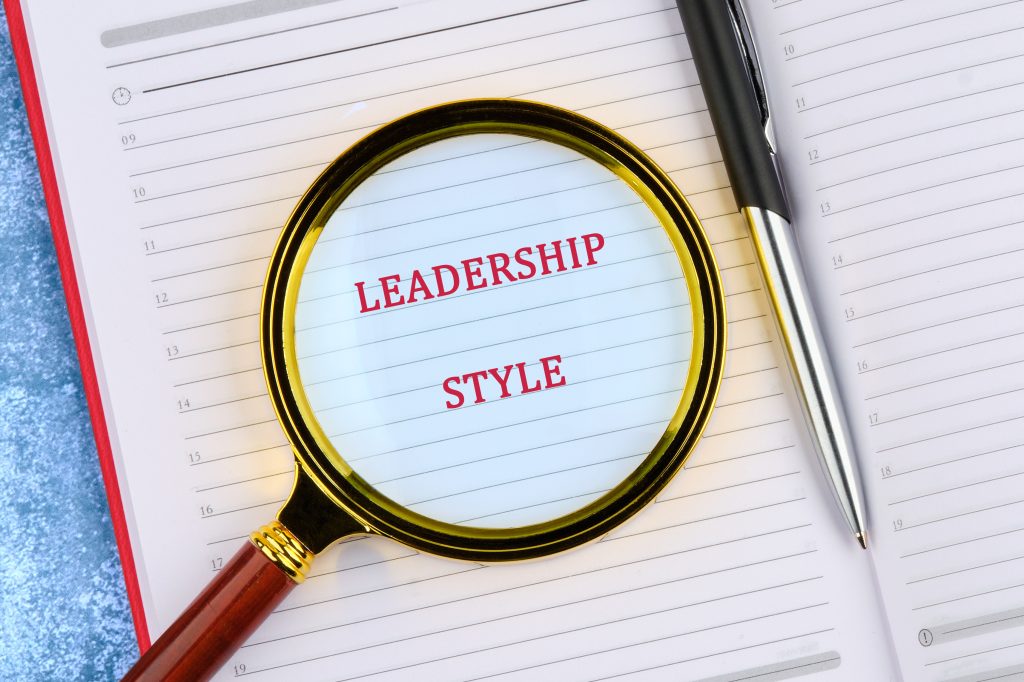
Wish to work on your leadership style with Reena Pradeep? Click here to book an appointment; or to write to us – click here.

Please do leave your comments at the bottom and do share with others if you like this article.