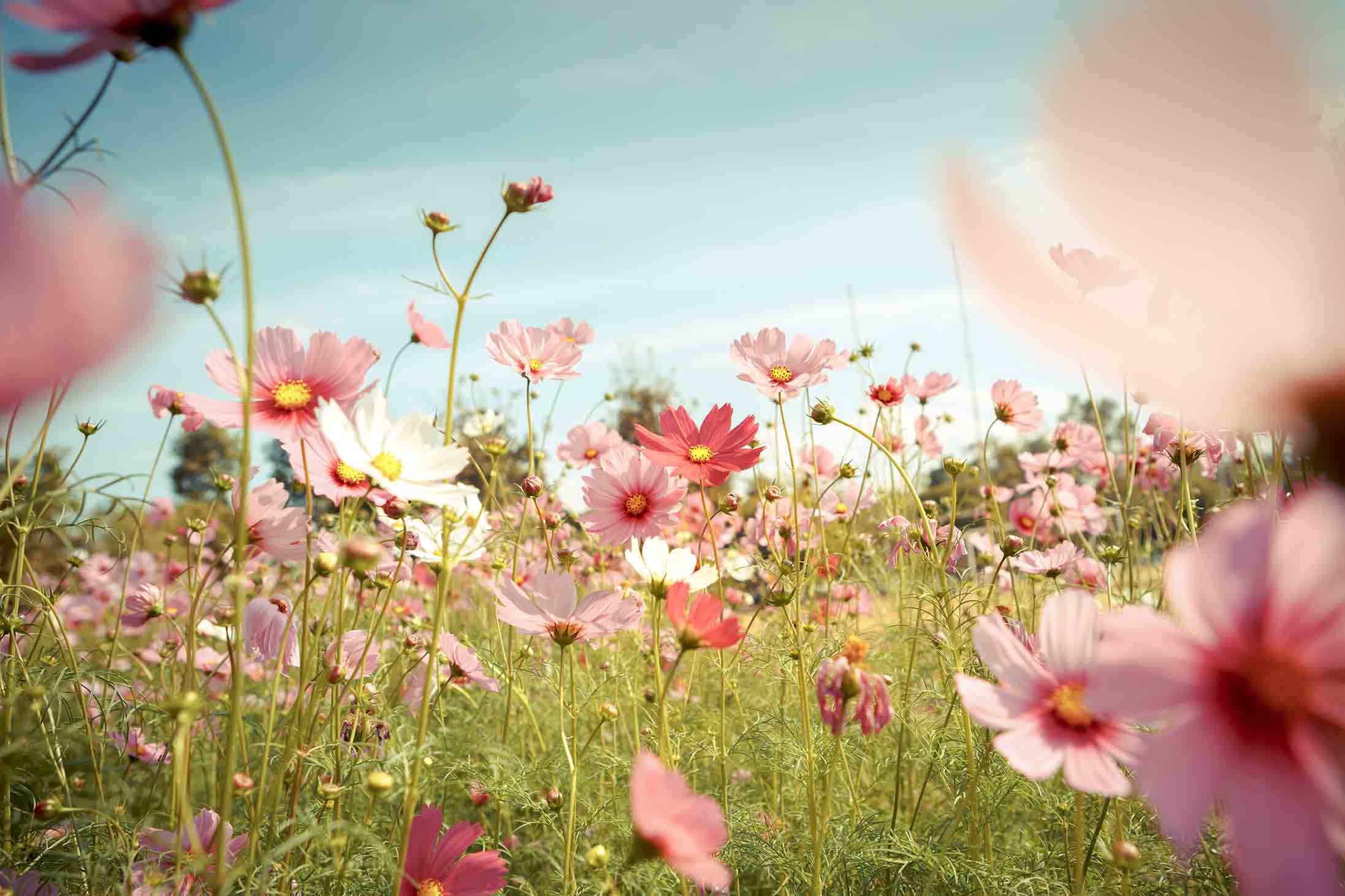

It is not a treasure hunt where you go looking for joy. Instead, let joy find you. Just be open to receiving it, with an open mind and heart; in very little ways. I did just that! I let the ‘glimmers’ find me.
Wow, what a joyful ride that has been!And then I got hooked. I became more observant about glimmers happening in regular routine life. A ‘glimmer detective’ as described by a creative friend.
What are Glimmers?
So, what are glimmers? A glimmer, in common English, is a small ray of light that gives hope. The internet informed me that in psychology, this term has its origins in the Polyvagal theory, which tells us about the ways in which our body’s autonomic nervous system reads and responds, to the signs or cues of threat or safety in our environment.
A glimmer is an internal or external cue that gives us a feeling of joy and comfort. The term glimmer was introduced by Deb Dana, a licensed clinical social worker, in her book, The Polyvagal Theory in Therapy: Engaging the Rhythm of Regulation in 2018.

Some experiences of Glimmers of Joy
1. After the torrential rain, the parched earth was fragrant with that heady aroma of it soaking in water. Lodhi Gardens in Delhi beckoned for a walk. I responded. Enjoying the magic, I came upon a sight truly magical. A slightly low-lying expanse of green grass surrounded by trees had turned into a temporary pond.
And in it was a paddling of ducks – swimming, quacking and chatting; peacefully enjoying this unexpected glimmer of joy, gifted by Nature. Keeping them company were tiny frogs, skipping away merrily. Their glimmer moment was contagious and I simply stood and smiled with them.
2. A lady I knew was terminally ill. She was bedridden and unresponsive to any conversation. Her daughter kept her as comfortable as possible, physically. She wanted to do more than that.
“Ma loved music. She loved beats that she could move to. So, I played a piece for her that I knew she enjoyed. And would you believe it – even though she had been unresponsive verbally, the moment she heard the music, I saw a slow smile lighting up her face; and she moved her head to the music, keeping perfect time with the beat!”

It was a glimmer moment for both mother and daughter.
Later the daughter shared the link to the music with me and I played it with full gusto during my walks, matching my steps to the beat. Shared glimmer moments – even with my fellow walkers who smiled as they passed by.
3. Mrs Ray is seventy-five years old and lives by herself. She narrated this incident.
“Last night I woke up from sleep and had this craving for ice cream. I crept up to the fridge, took a bowl of ice cream and polished it off. It felt so good. And then it struck me.Who was I hiding from?
But it just seemed like a naughty thing to do; and I laughed so much. I felt like a young girl breaking the rules!”
This was a glimmer of joy moment for her, that tickled her no end.
4.A friend called up and I could sense the excitement in her voice. “Last evening I saw the most beautiful sky and I immediately thought of you. I know you have this special tie with the sky and I’m just sending you a picture.” It was a glimmer moment for her too that she wanted to share. We were both smiling happily – giving and receiving.
There are tiny events that happen all the time, which, if we just noticed, would invariably add cheer to our day.
The vegetable vendor offering tea on a cold morning or receiving or giving a compliment; suddenly finding something you thought you had lost; the sight of the sky turning pink or orange at sunset; hearing bird calls as you sip your morning tea.
Likewise, the aroma of fresh flowers or the scent of trees; seeing a child jumping into a puddle; an unexpected birthday message; a warm hug from someone you love; reading out a book to your grandchild for the twelfth time……….. so many examples of glimmers of joy.
How do Glimmers of Joy help?
1. Finding those moments of pure joy are like a balm in the frenzy of leading hectic lives. They give relief. In challenging situations if we find them, they obviously help to relieve us of stress and anxiety.
We can find them in Nature; in routine sights, sounds and smells; interactions with people; within ourselves and our feelings. For example, when we discover a skill or talent we never knew we had or we do something that we found very difficult.
2. They can re-energise us when we are feeling depleted. We could be worried and still enjoy a joke; be very sad and still appreciate a beautiful song; something may not work out as expected, but we could still be thankful for someone’s help.
Imagine a situation where we are feeling very tired or our entire being is tense with some worry. In this environment the smell of freshly brewed coffee wafts in and a friendly soul offers you a cup. What would you feel?
3. Glimmers of joy are not merely pick-me-ups for when we are feeling low. Even on a good day, staying with and deeply experiencing a spark of joy, elevates us. Learning to notice these little moments gives us the ability to draw upon our resources in tough times.
4. Glimmers often bring with them a ray of hope and optimism and enhance the ability to carry on and not give up in the face of trying situations. A positive experience reassures us that life is fun too.
5.They help give a different perspective. They may be micro-moments but their impact can be on a macro scale. With practise and the reward that glimmers give us, there can be a gradual shift in our outlook to look for these special moments, instead of getting drawn to negatives. And then we accept, acknowledge and appreciate these delightful little sparks.
6.Sharing our glimmer moments help build connections. And they may expand the glimmer to a glitter!
7.Becoming more perceptive about these little joys often builds gratitude because we become more aware of small acts of kindness and little comforts and privileges that we may have taken for granted.
8.One person’s glimmer may not be so for another person. Glimmers are personal. We simply need to notice our own little sparks of joy.
9.And finally, finding our own glimmers means that we are not regularly dependent on anyone else to lift our spirits or bring that whisper of delight.
How do we find Glimmers of Joy moments?
There is no heavy-duty goal setting to locate glimmers. That in itself can cause anxiety, if we try too hard.
We simply need to understand that
1.Glimmers of Joy are simple ordinary moments that happen all the time.
But they can have an extraordinary impact if we are open to receiving them with childlike wonder.
And glimmers have no age bar. They are there for everyone to discover from infants to golden-agers.
2.Sometimes we get preoccupied noticing the ‘big joy moments’ and overlook the little glimmers that go by unnoticed.
“Our innate need is to be joyful. We curb it by taking life too seriously all the time, missing out on small wonders that make life worth living,” observed a friend.
3.Focussing on the present is crucial, because that is where the action is. Loitering in the past or floating around in visions of the future as a regular habit leads to us missing glimmers that usually happen in the here and now. Planning for the future is important but live the present moment.
4.Being around positive people who spontaneously talk about happier things encourages us to be observant about the good that we experience. Sharing our glimmers and aha moments leads to nurturing this mindset that is more tuned to noticing glimmers.
5.Often we forget the little joyful moments we experience. Keeping a record in a journal of these glimmers helps us further in enjoying them when we read the ‘happy notebook’ later.
6.We could even write small notes and collect our glimmers in our ‘glimmer pot’. Remember the abundant, innocent joy cookie jars can emanate! These make us more attuned to looking out for glimmers with happy anticipation.
A word of caution
In our bid to look out for small glimmers it is important not to turn into compulsive and obsessive happiness hunters. The positivity trap could hinder us from acknowledging and accepting reality. Life does throw up challenges which we need to handle and not be in denial of. Being balanced is important.
I had come across an interesting phrase – ‘The Tyranny of Cheerfulness’ which makes us feel obliged to be constantly happy and feel ‘not good enough or strong enough’ or guilty if we sometimes break down and cry.
Glimmers help us notice small pleasures but cohabit with life’s pressures and the sadness we may face.
They help us become aware of little smiles but do not compel us to be on camera all the time with a wide grin as if everything is hunky-dory.
They coexist comfortably with the imperfections of life.
Sharing Glimmers of Joy
Glimmers glisten even more when shared and we learn from each other to notice things that we may not have earlier.
So how can we share our glimmers?
1.Through conversation of course, where we recount a glimmer moment and listen to happy sparks that the other person has experienced.
2.Through small actions like sharing a glimmer moment photograph, song, recipe or even giving a surprise gift or treat to someone.
3.In social interactions we could celebrate someone’s achievement, compliment someone with authenticity, bring some surprise goodies for a get together, organise an impromptu fun gathering….
4.Within the family each person could share a happy moment while having a meal together, have a family treasure box where we deposit our glimmer moments, to be shared when there is time together or even play a fun game like “I spy….” and each person could point to something in the room that brings him or her joy…..
Glimmers of joy do not make problems vanish. They help us cope, give us respite and remind us that the problem is not the entire picture.

Please do leave your comments at the bottom and do share with others if you like this article.